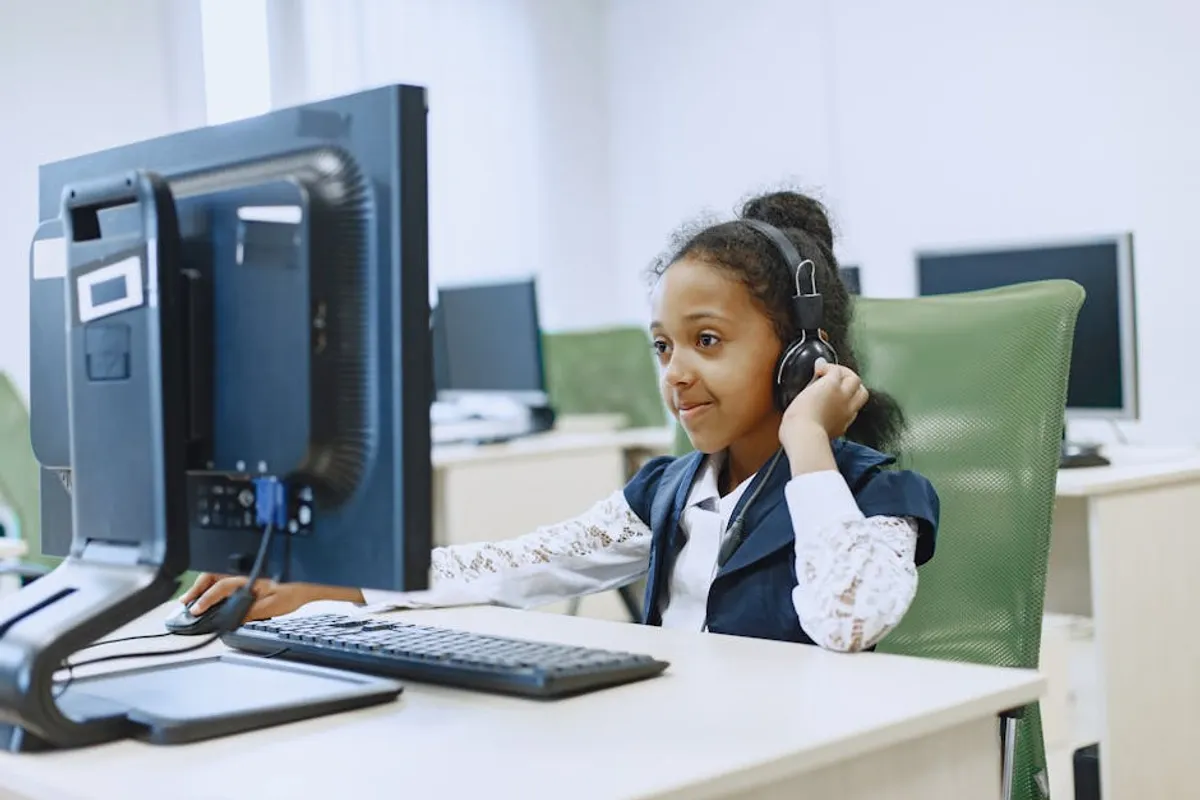
Choosing an educational institution represents a significant investment, both financially and developmentally. The decision extends beyond academic reputation or geographic convenience; it critically impacts a student's engagement, comprehension, and long-term success. A mismatch between a student's inherent learning style and a school's predominant teaching methodologies can lead to frustration, disengagement, and underperformance, even in high-quality programs. Understanding how different learning preferences manifest and identifying which school environments best cater to them is therefore paramount for making an informed selection. Therefore, understanding how different learning preferences manifest and identifying which school environments best cater to them is key for choosing a school that aligns with their needs.
Understanding Core Learning Preferences
Learning styles categorize the various ways individuals prefer to absorb, process, and retain information. While no single model is universally accepted as definitive, recognizing common patterns helps in evaluating educational settings. These preferences are not rigid labels but rather dominant tendencies that influence how a student interacts with curriculum and instruction.
Visual Learners: Seeing to Understand
Students with a strong visual learning preference process information most effectively when it is presented in a graphic, spatial, or pictorial format. They thrive on seeing concepts illustrated, demonstrated, or mapped out. This group often benefits from explicit visual cues and organized layouts.
Look for: Schools that integrate whiteboards, projectors, diagrams, charts, maps, and video content into daily instruction. Classrooms should feature organized visual displays, and teachers should frequently use gestures, demonstrations, and color-coding. Access to digital resources rich in visual explanations, such as educational apps with interactive simulations or virtual field trips, is also beneficial.
Auditory Learners: Hearing to Grasp
Auditory learners absorb information best through sound and spoken word. They benefit from lectures, discussions, debates, and listening to explanations. These students often recall information by remembering how it sounded or by mentally "replaying" conversations.
Look for: Educational environments that emphasize verbal instruction, group discussions, oral presentations, and opportunities for students to explain concepts aloud. Schools with strong language arts programs, debate clubs, or music instruction often cater well to auditory preferences. Teachers who use clear vocal delivery, vary their tone, and encourage questions and verbal summaries are particularly effective for these students.
Kinesthetic Learners: Doing to Learn
Kinesthetic learners, also known as tactile or experiential learners, understand and retain information through physical experience, movement, and hands-on activities. They often struggle with passive learning methods and need opportunities to manipulate objects, perform experiments, or engage in role-playing.
Look for: Schools with robust laboratory facilities, workshops, art studios, and dedicated spaces for project-based learning. Curricula that incorporate frequent experiments, building tasks, field trips, and practical applications of theoretical concepts are ideal. Vocational programs, schools with strong athletic or performing arts components, or those emphasizing outdoor education can also be highly beneficial.
Reading/Writing Learners: Text for Retention
These learners prefer information presented in text-based formats, such as books, articles, notes, and reports. They excel at taking detailed notes, reading extensively, and expressing their understanding through written assignments. They often find value in creating lists, outlines, and summaries.
Look for: Schools with well-stocked libraries, a strong emphasis on research and essay writing, and teachers who provide comprehensive written materials. Programs that encourage extensive reading, critical analysis of texts, and detailed written feedback are advantageous. Access to digital databases and platforms that facilitate research and written communication also supports this learning style.
Pro Tip: Observe Beyond Formal Assessments
While formal learning style assessments can provide initial insights, observe your student's natural tendencies in various informal settings. How do they approach a new game? How do they recount a story? Do they draw, talk through it, or act it out? These real-world behaviors often provide more accurate indicators of their dominant learning preferences than a questionnaire alone.
Beyond the Classroom: Holistic Considerations
A school's approach to learning styles extends beyond individual classroom activities to its broader educational philosophy and support systems. Consider these overarching elements:
- Teacher Training and Pedagogy: Inquire about professional development for teachers. Do educators receive training in differentiated instruction and strategies for addressing diverse learning needs? Schools that empower teachers to adapt their methods to individual students are more likely to support a wider range of styles.
- Assessment Methods: A school that primarily relies on traditional written exams may not fully evaluate the understanding of a kinesthetic or auditory learner. Look for institutions that employ varied assessment methods, including oral presentations, project-based evaluations, practical demonstrations, and portfolios.
- Classroom Environment and Flexibility: Some students thrive in highly structured settings, while others require more flexibility and movement. Observe classroom layouts: are there opportunities for collaborative work, individual quiet time, and movement breaks?
- Extracurricular Activities: These often provide informal avenues for students to engage their preferred learning styles. A visual learner might excel in photography or design, an auditory learner in choir or debate, and a kinesthetic learner in sports or robotics.
- Technology Integration: Modern educational technology can be a powerful tool for accommodating different styles. Interactive whiteboards, educational software, audiobooks, and virtual reality simulations can enhance learning for visual, auditory, and kinesthetic learners alike.
Making an Informed School Selection
The process of selecting a school based on learning styles requires thorough due diligence. Start by identifying the primary learning preferences of the student. Then, research schools by examining their curriculum, visiting campuses, and speaking with administrators, teachers, and current parents. During school visits, pay close attention to classroom dynamics, observable teaching methods, and student engagement levels. Ask specific questions about how teachers differentiate instruction and what resources are available to support diverse learners. Prioritize schools that demonstrate a clear commitment to pedagogical flexibility and a student-centered approach, rather than a one-size-fits-all model. The goal is to find an environment where the student feels understood, challenged, and empowered to learn in the way that comes most naturally to them. Ask specific questions about how teachers differentiate instruction and what resources are available to support diverse learners, using a comprehensive checklist for school selection.
Frequently Asked Questions
Can a student have more than one learning style?
Yes, most individuals exhibit a blend of learning preferences, often with one or two dominant styles. Rarely is a student exclusively one type. Effective schools recognize this and employ multi-modal teaching strategies.
What if a school doesn't perfectly match a student's style?
No school will be a perfect fit for every aspect of a student's learning profile. The objective is to find an environment that predominantly supports their strongest preferences while also encouraging the development of other learning skills. Adaptability is also a key life skill.
How can I assess a school's teaching approach for different styles?
During school tours, observe classrooms for varied activities, visual aids, group discussions, and hands-on projects. Ask teachers directly about their methods for differentiating instruction and how they cater to diverse learners. Review curriculum guides for indications of multi-modal content delivery and assessment.
Do learning styles change over time?
While core preferences tend to remain stable, individuals can develop and strengthen different learning strategies over time, especially with exposure to varied teaching methods. A student might become more adept at auditory processing, for example, if consistently engaged in discussions.